
Ballet at SESD
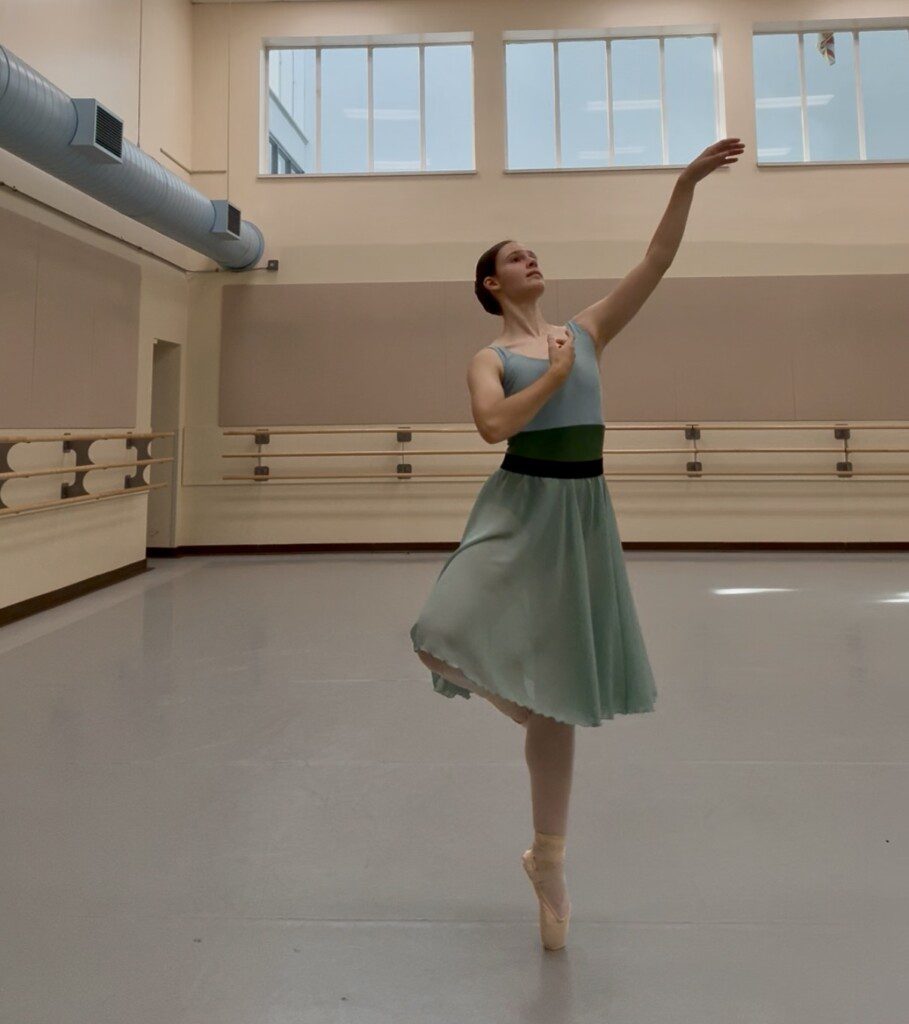
We are pleased to offer six levels of ballet classes, with our two highest levels including pointe work. Introduction, Beginner, Intermediate, Pre Advanced, and Advanced.SESD Ballet classes ensure students are learning and practicing correct technique and how to avoid bad habits and injuries.
We are proud to offer a full and comprehensive ballet program including pointe work and a full length ballet production (“story ballet”) at the conclusion of each season! Past productions include both classical ballets like Swan Lake and original productions unique to SESD repertoire like The Threads of Fate inspired by the Disney Pixar move Brave.
Ballet has a rich history as an elaborate and specific technique. Ballet is a type of performance dance that originated in the Italian Renaissance courts of the 15th century and later developed into a concert dance form in France and Russia. It has since become a widespread, highly technical form of dance with its own vocabulary based on French terminology. It has been globally influential and has defined the foundation techniques used in many other dance genres.
During the early Romantic Movement of the early 19th century, ballets like Giselle and La Sylphide portrayed women as gentle and fragile while exploring magic and the supernatural. The calf length romantic tutu was very popular during this period.
In the late 19th century, as ballet’s popularity soared in Russia, ballets like The Nutcracker, Swan Lake, and Sleeping Beauty were born. These very popular ballets focused on showing off classical technique-turn out, high leg extensions, and intricate pointe work. Shorter tutus were introduced to highlight the complex choreography.
Ballet continued to change throughout the 20th century, especially when George Balanchine (originally from Russia) brought his innovations to American ballet. He is famous for “plot-less” ballets; the first ballets that did not tell a story but instead, highlight music and movement.
Today, ballet continues to change as choreographers and dancers experiment with other styles. Classical ballets present each dancer with a unique challenge, while contemporary ballet allows dancers to explore their own creativity.